GOI Pioneer
Historical Context
The Soviet Union had a practice of copying successful foreign technologies, particularly from Germany, to rapidly develop its own industry. Leica copies were widespread in the USSR during the 1930s and 1940s. Cameras such as the FED and later the Zorki were also mass-produced Leica copies.
The State Optical Institute (GOI) in Saint Petersburg (formerly Leningrad) is a major Russian research institution known for its work in optics, astronomy, and laser technology.
Historical Context
The Soviet Union had a practice of copying successful foreign technologies, particularly from Germany, to rapidly develop its own industry. Leica copies were widespread in the USSR during the 1930s and 1940s. Cameras such as the FED and later the Zorki were also mass-produced Leica copies.
The State Optical Institute (GOI) in Saint Petersburg (formerly Leningrad) is a major Russian research institution known for its work in optics, astronomy, and laser technology.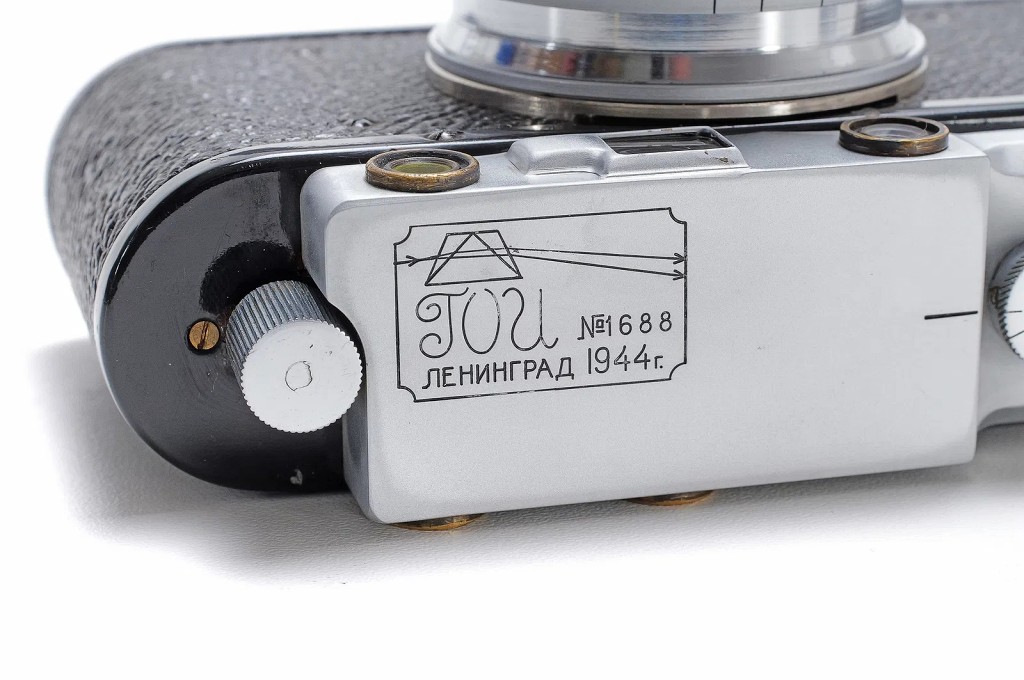
© Wetzlar Camera Auctions
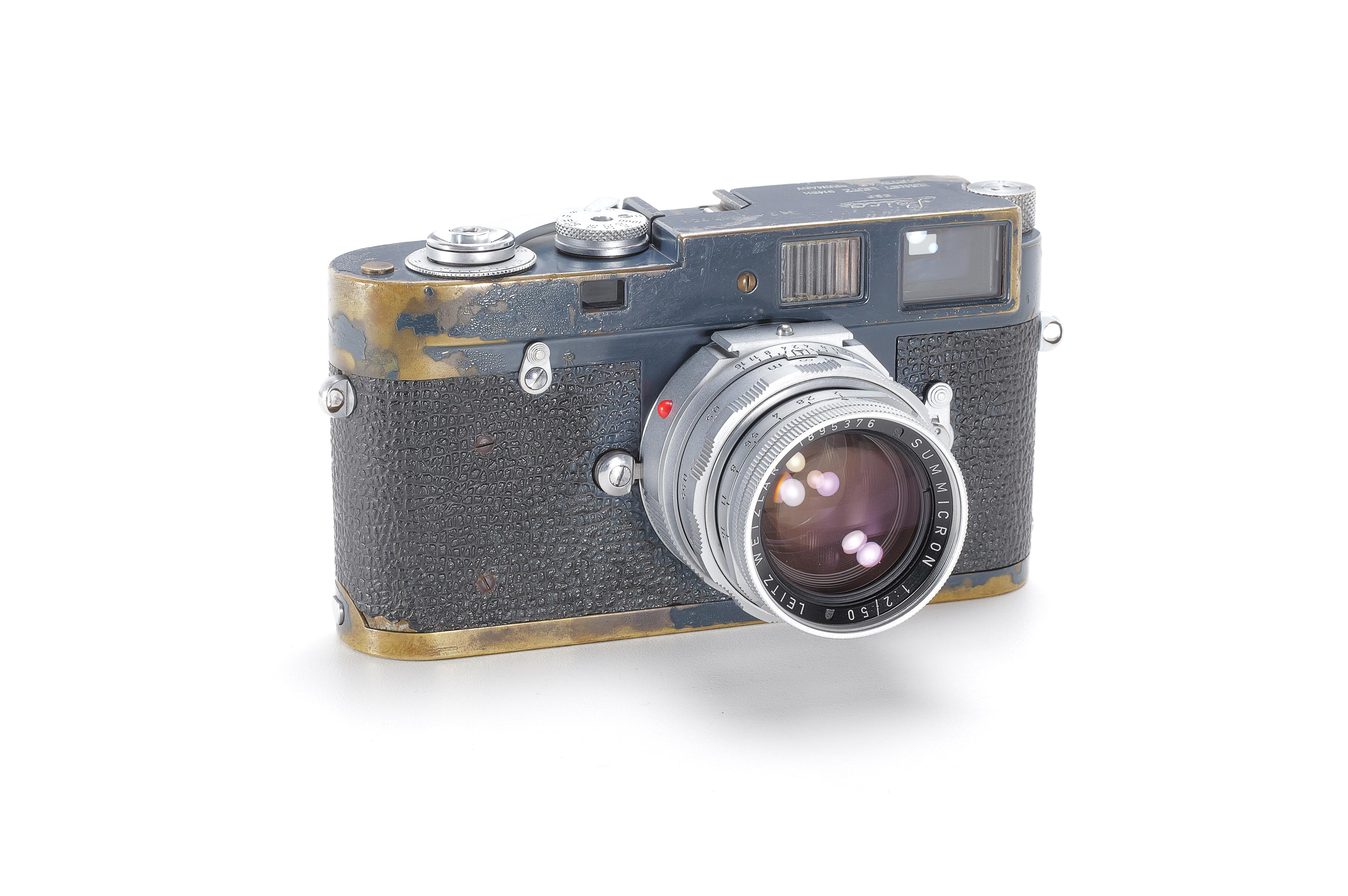
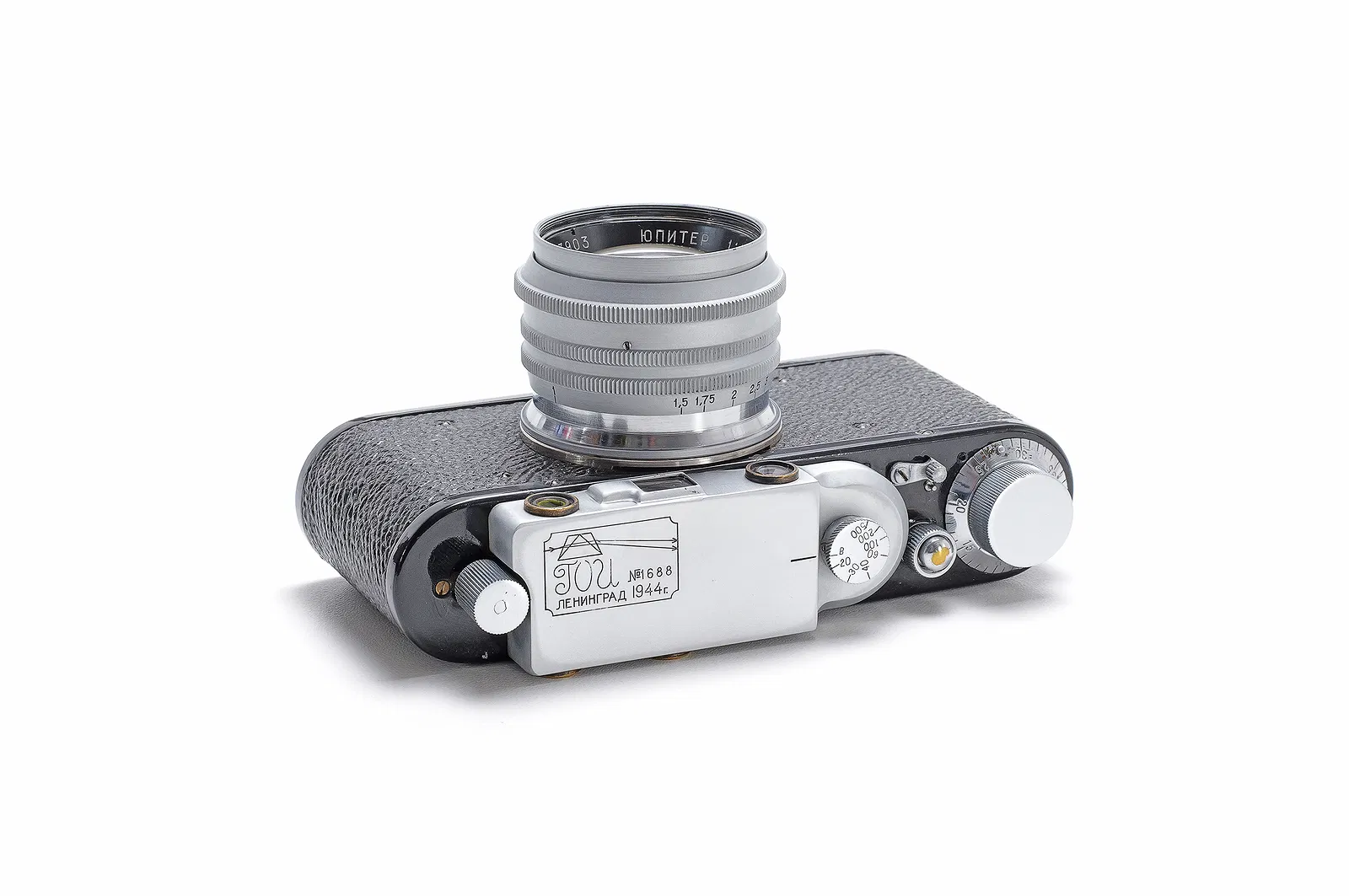
The GOI Pioneer was an early, high-quality prototype within this effort to establish domestic production of high-performance, compact cameras modeled on the Leica to meet military and civilian needs. GOI developed several experimental and military-grade camera systems and optics, which are now considered extremely rare collectibles. The camera shown here was offered in the latest Wetzlar Camera Auction No. 7 in October 2025.
Technical Aspects
The GOI Pioneer used its own lens mount in two diameters, M39 (39mm) and the M40 (40mm) screw mount. This distinguishes it from the Leica, which only used the M39 screw mount. Although the mount was slightly different, the basic concept of interchangeable screw-in lenses was directly adopted from Leica.

© Wetzlar Camera Auctions
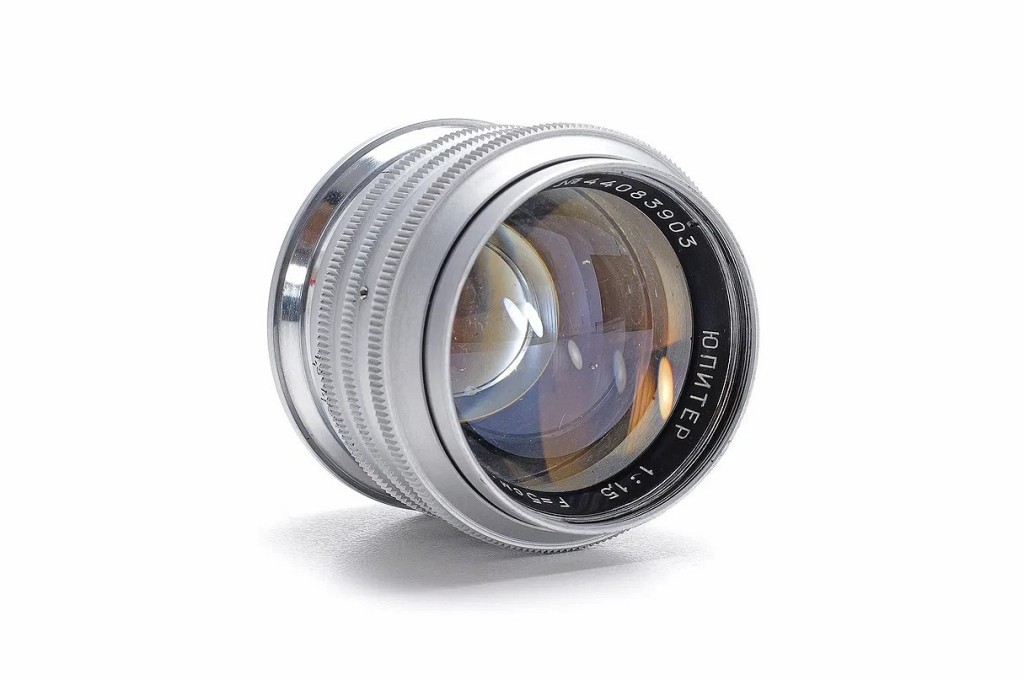
The lens supplied with the GOI Pioneer, the GOI Jupiter 5 cm f/1.5, was a Soviet design, but the camera body was designed for use with similar focal lengths and optical concepts to Leica lenses.
© Wetzlar Camera Auctions
A great variety of lenses have been produced for various cameras, like the
GOI MIR 28mm F/3.5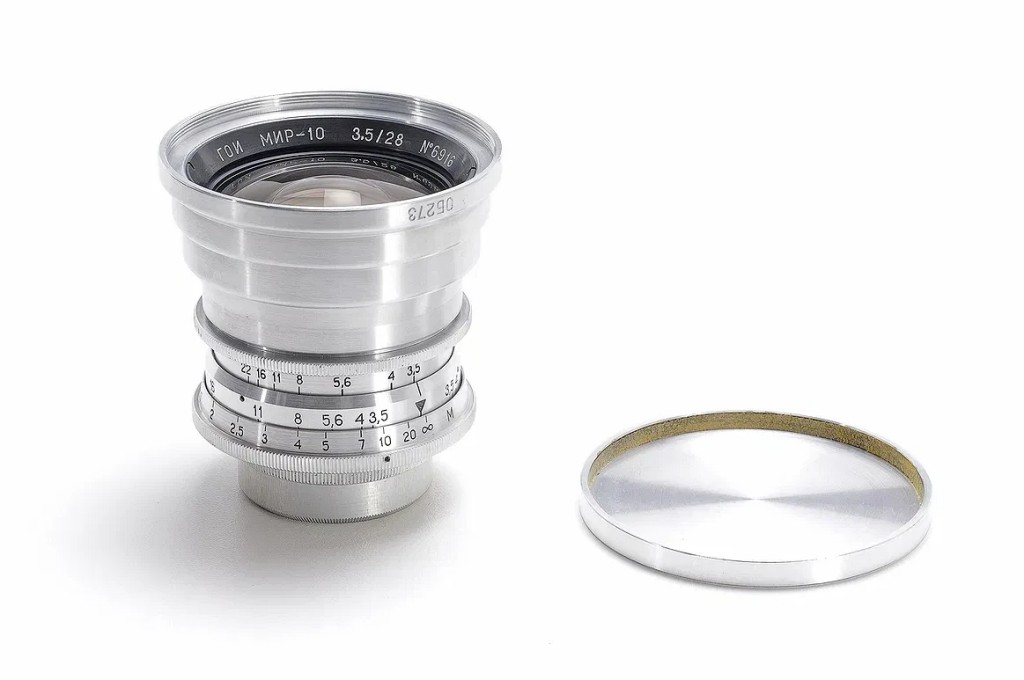
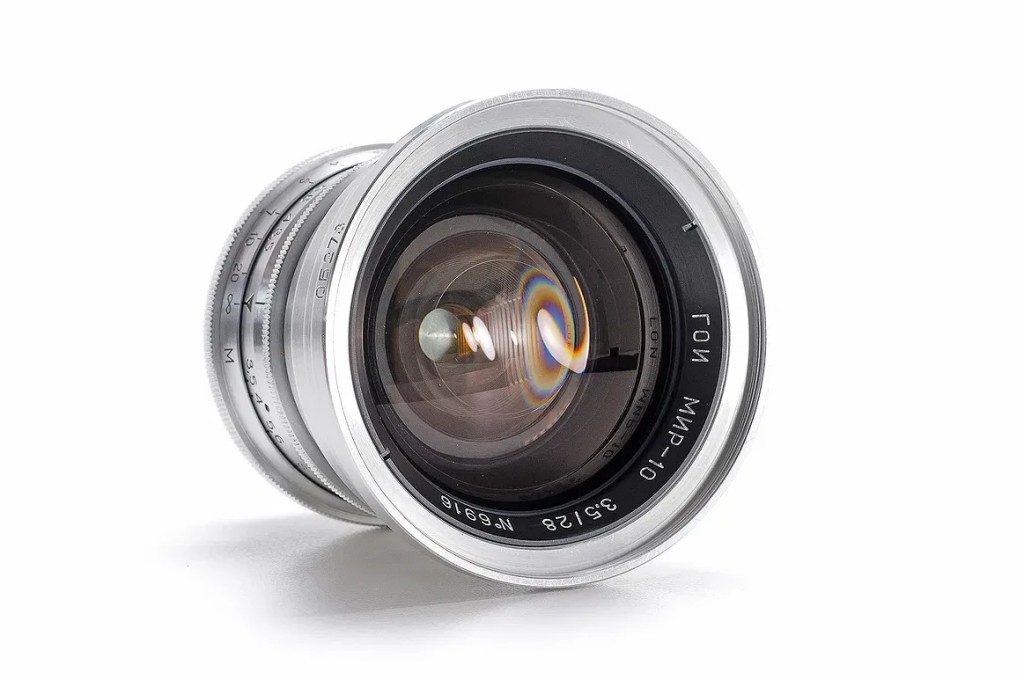
© Wetzlar Camera Auctions
GOI Uran 35mm F/2.5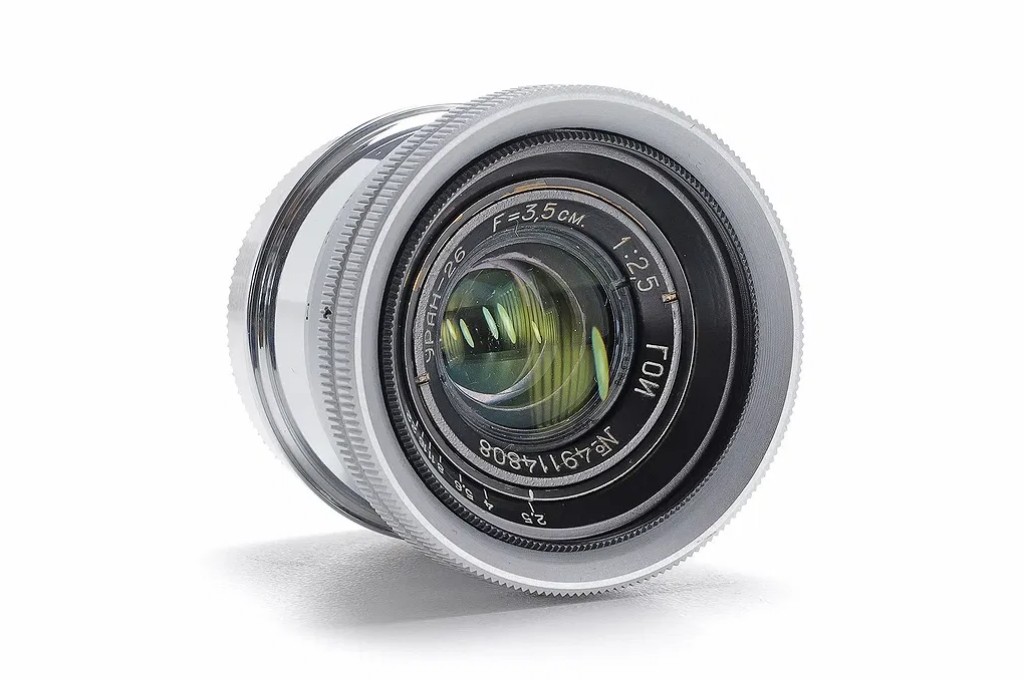
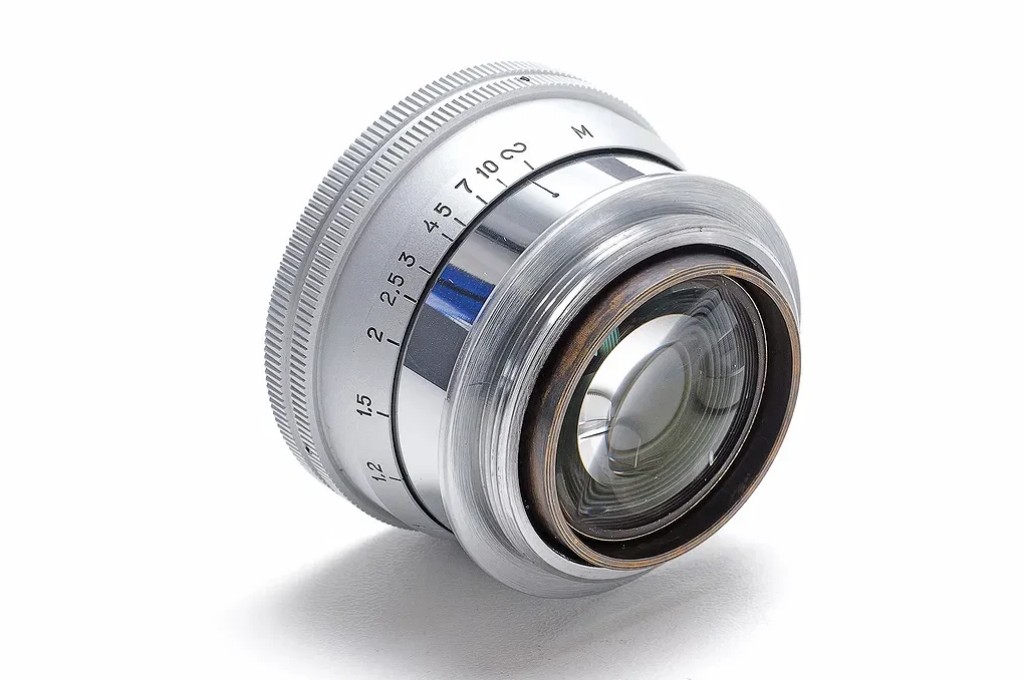
© Wetzlar Camera Auctions
or the GOI 135mm F/5,5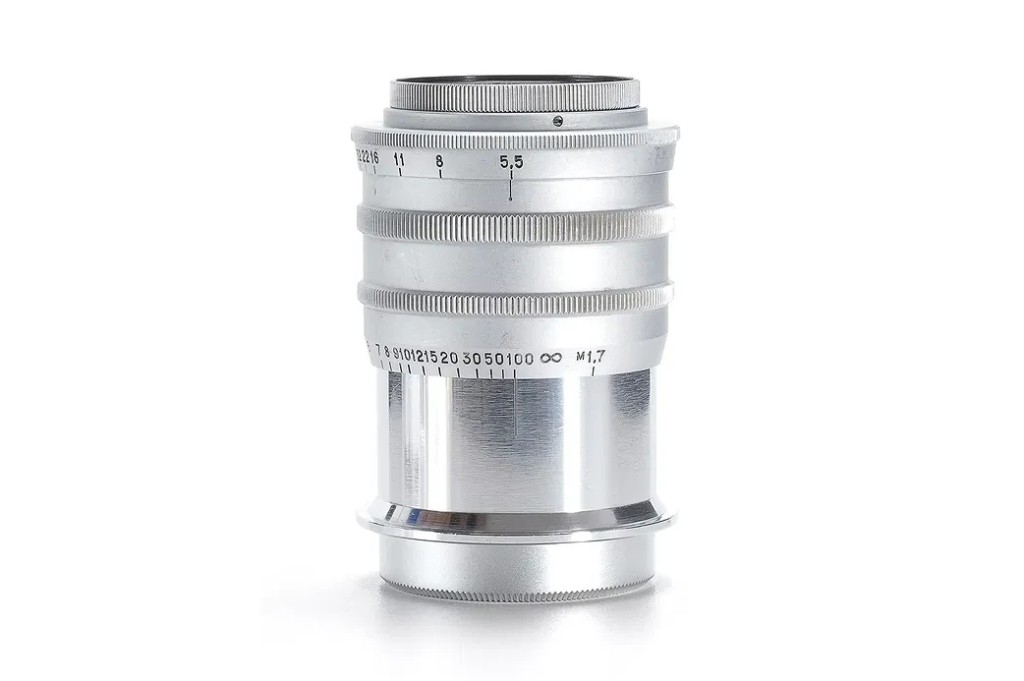

© Wetzlar Camera Auctions
Further camera and lens prototypes
GOI developed several experimental and military camera systems and optics, which are now considered extremely rare collector's items.
-
GOI High Speed Camera: Developed in 1951 as part of a top-secret Soviet atomic bomb program, this camera for 135 film was designed for use with a high-speed OB-59 1:0.85/55mm lens.
-
GOI Sport Test Camera: An experimental version of the Sport SLR camera, used for testing purposes at the GOI factory. It came with a prototype Industar 2.5/52mm lens.
-
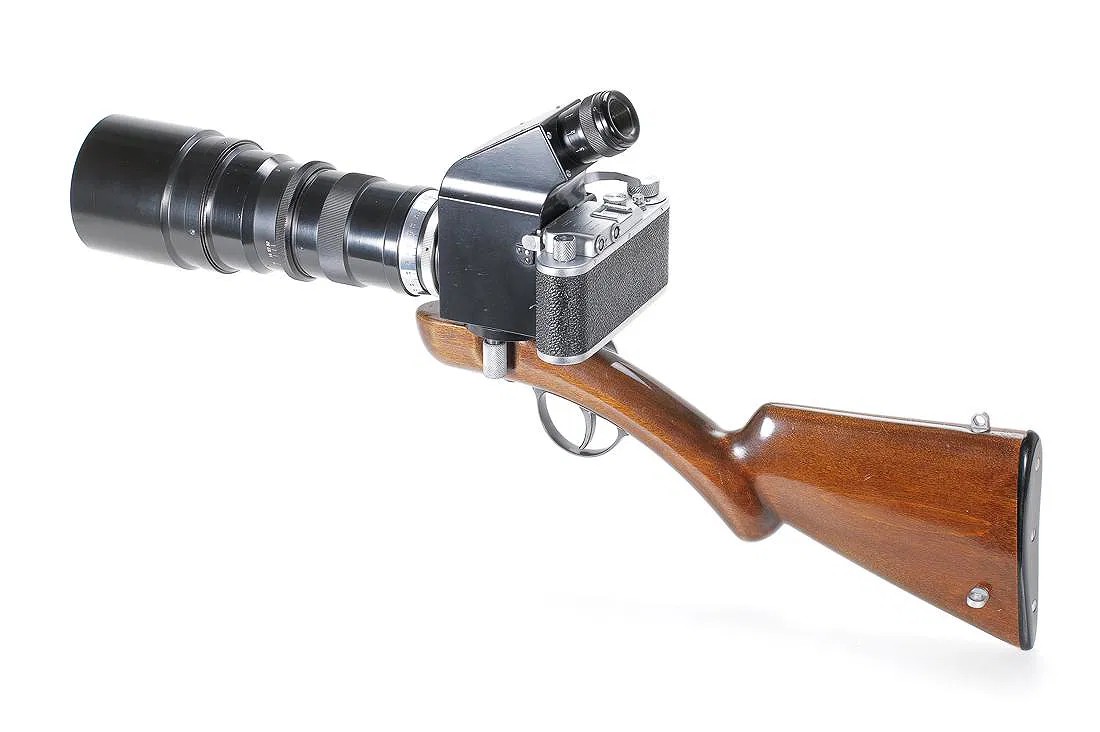
GOI Russian Marine Rifle Camera FS-3 prototype: Developed in 1943 during the Siege of Leningrad for the Soviet Baltic Fleet Navy, this was a top-secret long-range reconnaissance camera equipped with a massive GOI 4.5/600mm lens.
- GOI FS Prototype: Black paint finish GOI 30 cm f/4.5 lens with serial number 3621. The lens in much different design to those of the well known GOI and KMZ FS-2 FotoSniper.
© Wetzlar Camera Auctions
-
GOI FS-2: This camera was produced by GOI in Leningrad in 1943 for military purposes before its production was transferred to the KMZ factory.
-
GOI Leningrad Prototype: An extremely rare 1948 prototype camera that came with three matching prototype lenses: GOI Uran-14 2.5/3.5cm, GOI Jupiter-3 1.5/5cm, and GOI Industar-33 2.8/8cm.
-
Lenses: GOI designed the first versions of some famous lenses that went into mass production, such as the Helios 40 and the lenses for the Photosniper rifle-cameras. More to come in one of our future Blog posts.
Contact Us
If you think your camera might be rare, valuable, or just worth a closer look, we’d love to hear from you.
Contact us with images at info@jogeier.com, by What’sApp +4318904003 or use our quick form to tell us more:
https://www.jogeier.com/trade-or-sell
Watch our latest YouTube Short about the GOI here: https://youtube.com/shorts/NvGsWO00ZKM?si=A_VX36F4U0pilQfD